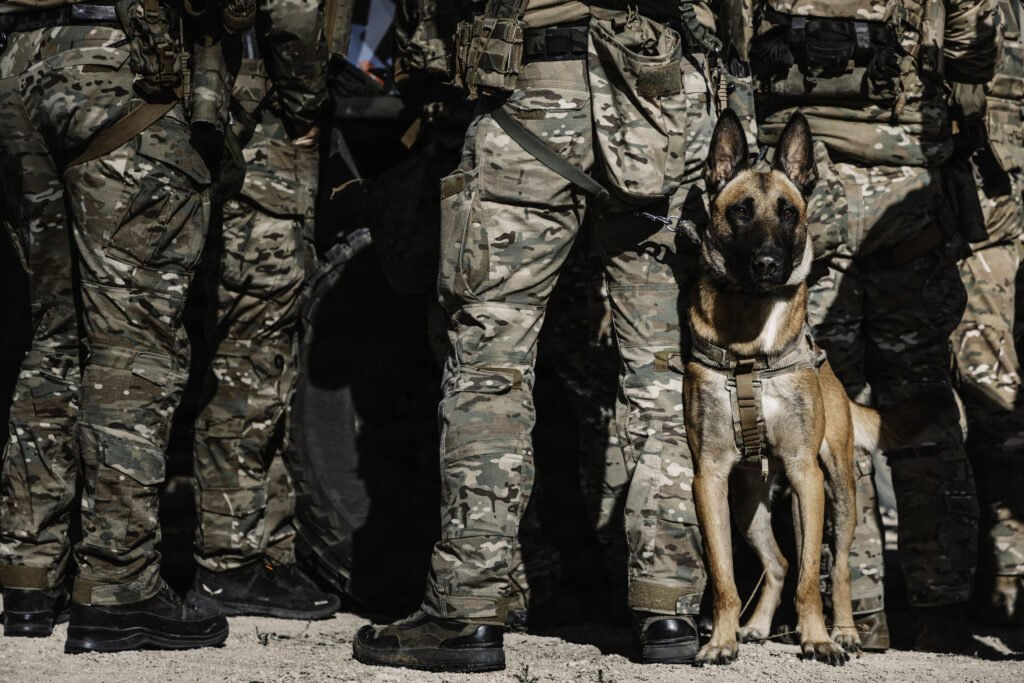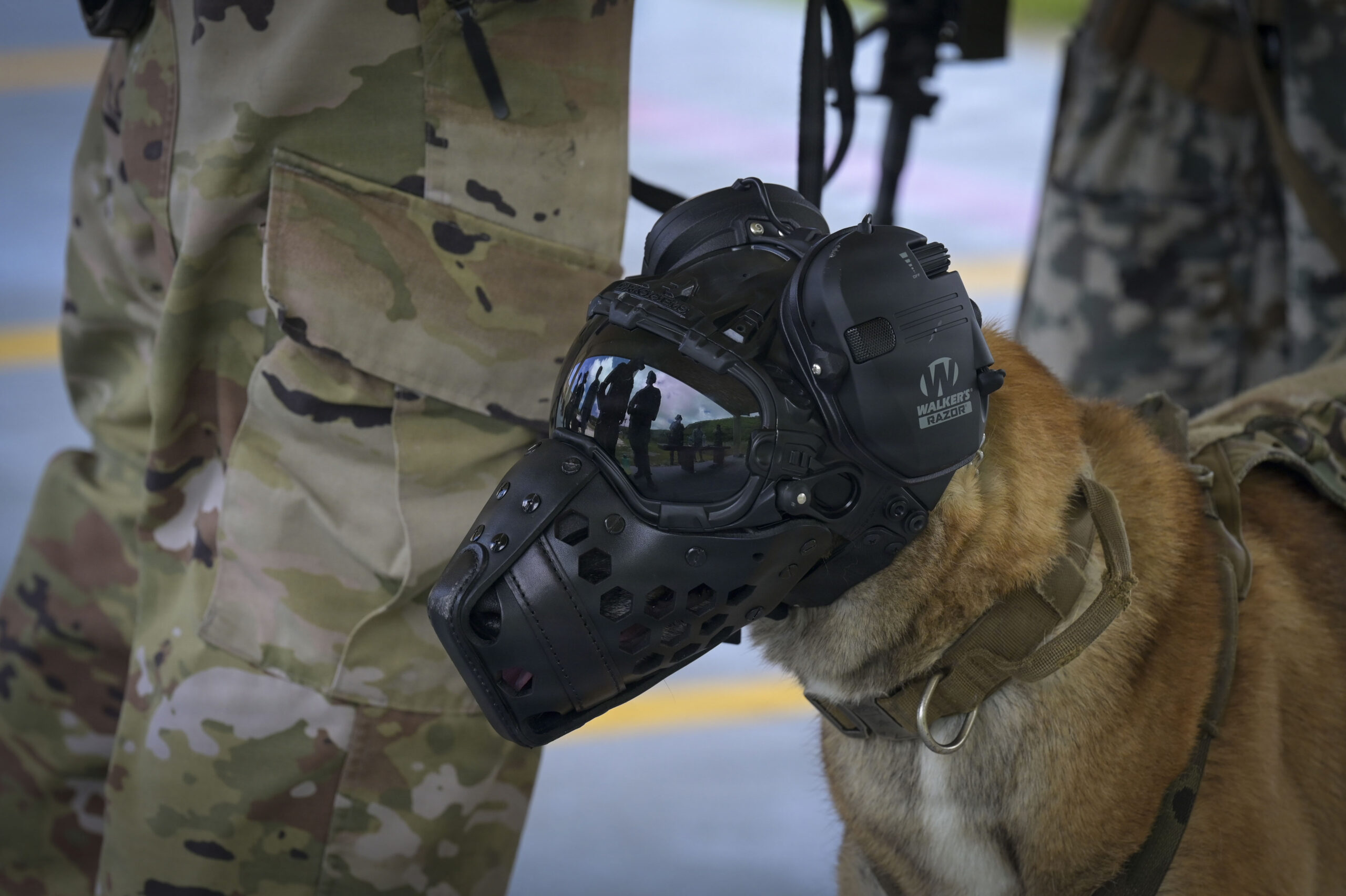

Anduril Industries’ Palmer Luckey has launched a defense technology startup to develop and field elite military working dogs using advanced genetics, cloning, and defense software.
Named Warhound, the company aims to eliminate America’s reliance on European suppliers, which currently provide over 80 percent of US military working dogs.
The Texas-based firm was conceptualized in partnership with billionaire entrepreneur and Colossal Biosciences CEO Ben Lamm and is headed by David Spirk, a former chief data officer for the US Department of Defense.
According to Warhound, the firm will combine Colossal Biosciences’ enhanced genetics solutions and biobanking with cloning and specialized training.
In parallel, Anduril Industries will equip the dogs and K9 handlers with advanced software, protective gear, and battlefield situational awareness technology.
A $200 million in initial funding backed the startup’s launch.
Moving Beyond Legacy Methods
The startup emphasized its focus on securing and breeding healthier working dogs for more demanding conditions.
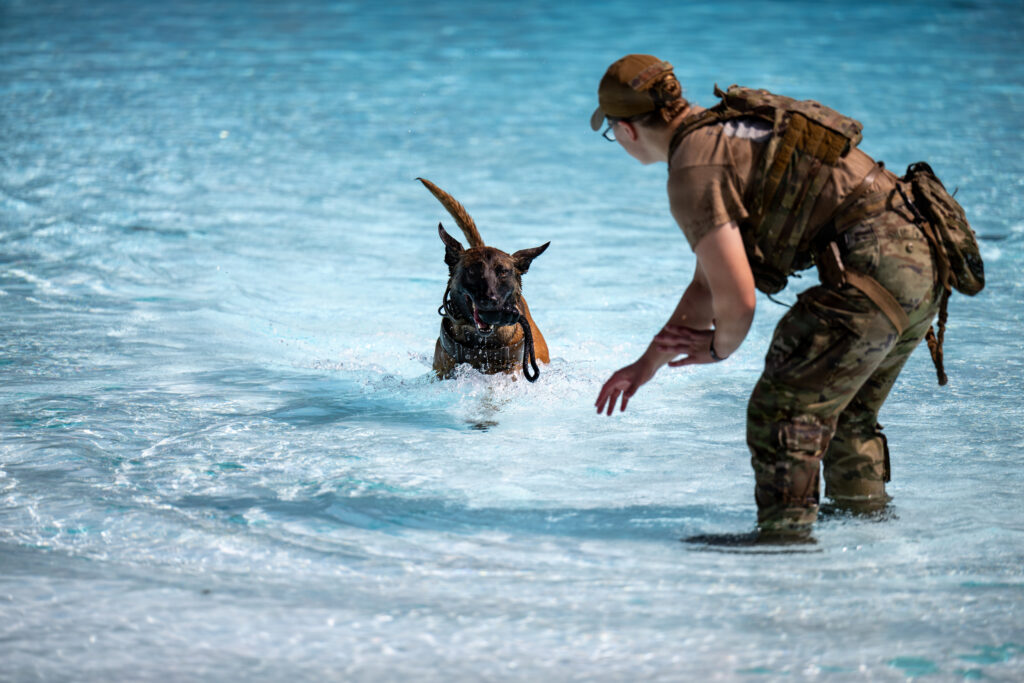
It also aims to cut supply shortages caused by rigorous training pipelines, where high failure rates force the Pentagon to source roughly 200 candidate dogs to field 100 working animals.
The animal fleet has been serving as a key asset in US military detection and patrol operations for over eight decades.
“Every day, we ask dogs to put their lives on the line to protect ours,” Lamm said. “Yet we’re still relying on outdated approaches to breeding and training these extraordinary animals. We have an opportunity to fundamentally change that.”
“If we’re going to ask man’s best friend to protect America, we owe it to them to use every tool at our disposal to protect them, too,” he added.
Reactions From Specialists
While the company noted that observers have likened the startup to “the Captain America dog program with the Ironman tech program on top of it,” experts have urged caution on processing animal cloning and gene editing.
University of Wisconsin – Madison Bioethicist Alta Charo emphasized the need to weigh animal welfare risks and maintain lifelong responsibility for the dogs.
Meanwhile, PETA criticized the initiative, with its senior vice president Colleen O’Brien calling it “a stunningly old-fashioned idea” as other agencies shift toward artificial intelligence and robotics “that can be used without putting dogs in harm’s way.”
The company will operate under the guidance of the American Humane Society, which will certify training programs and support retirement and adoption protocols.
Warhound expects its first generation of cloned puppies to arrive in early 2027.