Taiwan is restructuring its armed forces to increase firepower and reduce reliance on large troop numbers, with the next phase focused on artillery, drones, coastal defense, and air defense.
According to an unnamed defense official cited by the Taipei Times, weapons requiring smaller crews would allow troops to be reassigned to additional combat units, while closer integration of drones and artillery would link target detection more directly to strikes.
These changes build on the establishment of new flight training, coastal combat, anti-submarine aviation, and uncrewed systems training formations.
Taiwan has also created marine security, fires, and drone battalions.
Conscripts would also receive more training in counter-drone tactics and asymmetric weapons as part of the restructuring.
Expanding Artillery and Drone Units
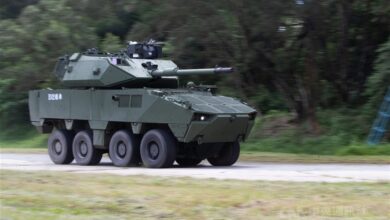
Taiwan’s 6th, 8th, and 10th army corps would reorganize their artillery units as they introduce High Mobility Artillery Rocket Systems and M109 self-propelled howitzers.
According to the official, the new platforms need three soldiers per vehicle, compared with nine to eleven for a towed artillery piece.
The smaller crews would free up troops, allowing existing rocket artillery companies to become larger battalions and expand mobile, long-range strike capabilities.
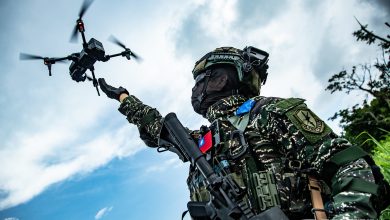
Drone units would come under corps-level artillery headquarters, bringing reconnaissance aircraft, attack drones, conventional guns, and rocket launchers under a shared command structure.
This would allow headquarters to coordinate target detection and strikes through a digital network.
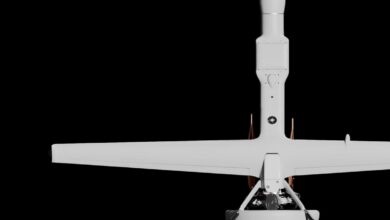
Equipment planned for army drone battalions includes reconnaissance and first-person-view attack drones from Taiwan’s National Chung-Shan Institute of Science and Technology, along with Altius-600M loitering munitions.
Taiwan is also ordering Altius-700M anti-armor drones and Altius-600ISR reconnaissance drones, according to the official.
Strengthening Coastal and Base Defense
Along the coast, the navy’s Littoral Combat Command would establish a fourth combat group.
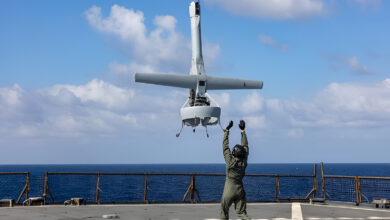
Each group would have dedicated drone units operating vertical takeoff and landing aircraft.
Taiwan would also expand its Air Force Security Guards into a brigade-sized formation to protect air bases, radar stations, and other key facilities against Chinese drones and special operations forces.
Conscripts and professional soldiers would serve together in the formation, equipped with Stinger missiles, Kestrel anti-armor rockets, and other weapons.
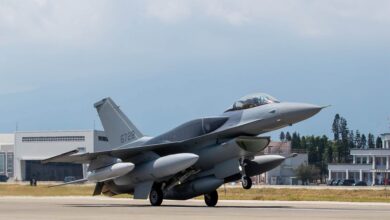
Additional air force units would operate Patriot Advanced Capability-3 Missile Segment Enhancement interceptors and National Advanced Surface-to-Air Missile Systems, subject to Washington approving a $14 billion arms package.