
The US Defense Advanced Research Projects Agency (DARPA) has tapped Space Nuclear Power Corporation (SpaceNukes) to test controls for a small nuclear reactor designed to operate autonomously in remote environments.
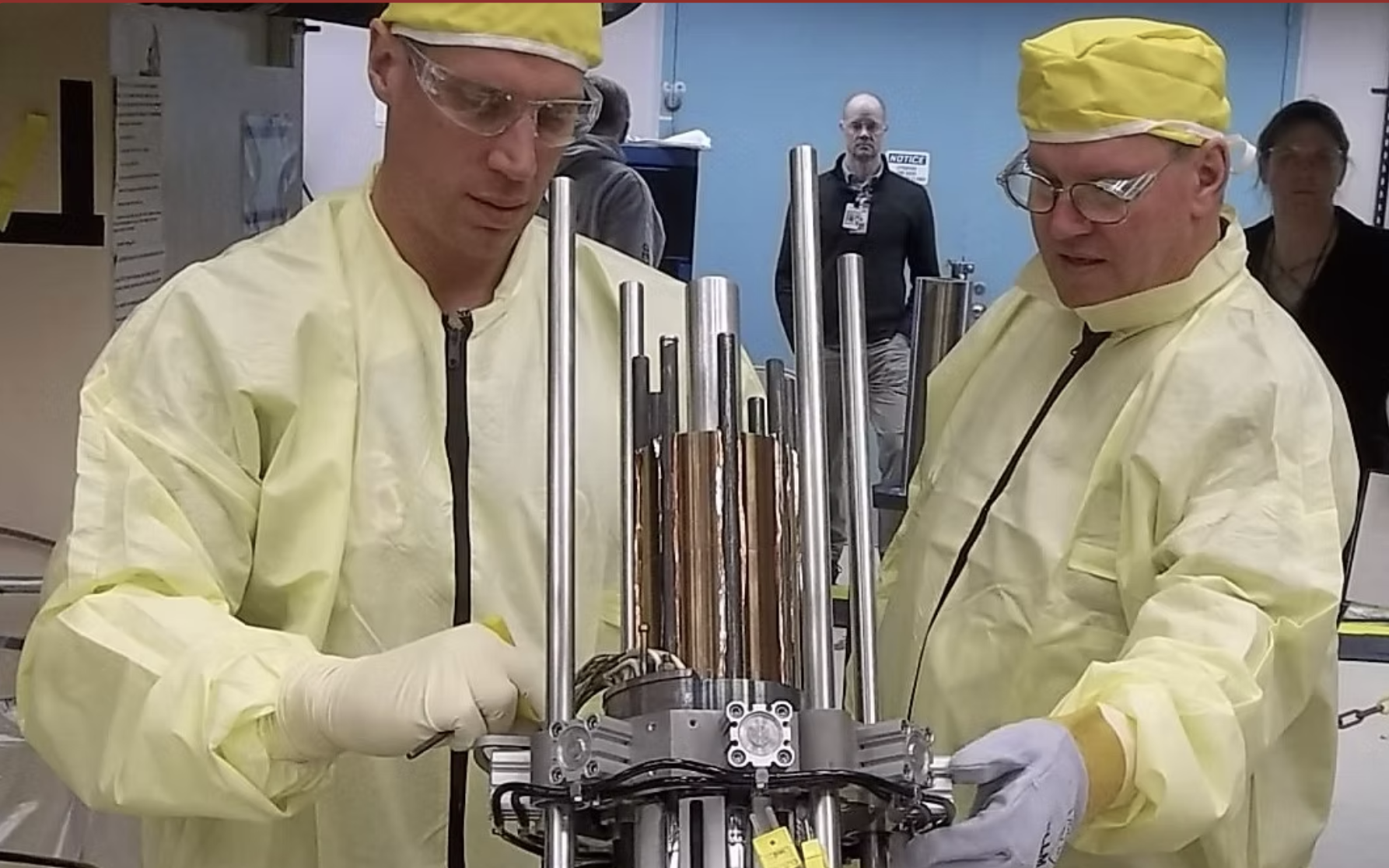
The agreement, issued under DARPA’s Fast Capacitance (Fat Cat) program, will fund the design, construction, and ground testing of an actively controlled Kilopower reactor in collaboration with Los Alamos National Laboratory.
The project will test a control system that uses movable control rods to regulate the reactor’s operation. This differs from the passive control approach demonstrated during the 2018 Kilopower Reactor Using Stirling Technology (KRUSTY) experiment.
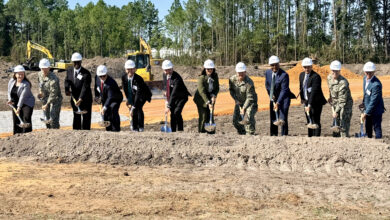
SpaceNukes will carry out integration work at its facility in Medina, Ohio. The project is expected to progress through design, procurement, integration, and ground testing phases. The agreement’s value and testing schedule have not been publicly disclosed.
“There is no substitute for demonstrated technology when American national security objectives are at stake,” SpaceNukes CEO Andy Phelps said.
DARPA’s Fat Cat Program
DARPA’s Fat Cat program aims to develop small nuclear reactors capable of operating autonomously in remote and extreme environments, including space and underwater settings.
Such systems could provide power for national security missions where conventional energy sources are difficult to supply or maintain.
The program focuses on improving reactor physics models, control systems, and design tools to enable reactors to respond to changing conditions in real time. Autonomous operation is particularly challenging for small reactors because their physical behavior can change rapidly.
The effort builds on earlier work such as the KRUSTY experiment, which demonstrated the operation of a small fission reactor under controlled laboratory conditions in 2018.