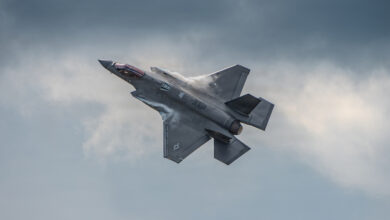
Ukraine said it destroyed four Russian Su-34 fighter-bombers and damaged two others in a missile strike on Borisoglebsk airfield in Russia’s southwestern Voronezh region.
Ukrainian President Volodymyr Zelensky said Kyiv’s naval forces used a Long Neptune missile to hit the aircraft, which he said were carrying aerial bombs for attacks on Ukraine.
Satellite images verified by Reuters showed destruction at the airfield.
Russia regularly uses Su-34s to launch glide bombs against Ukrainian cities near the front line, allowing the aircraft to release their weapons from a distance.
Zelensky also said Ukrainian forces hit a site used to store and launch attack drones in Russia’s western Oryol region, south of Moscow.
Starlink Restrictions
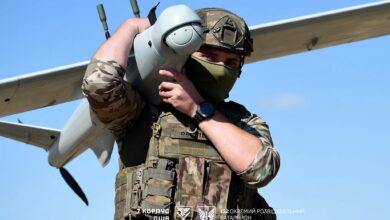
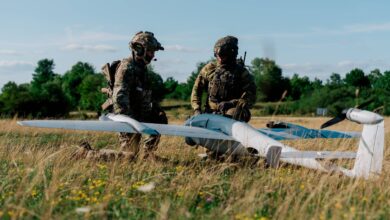
The attack comes amid concerns that new restrictions on Starlink could weaken Ukraine’s drone defenses and leave civilians more exposed to Russian strikes.
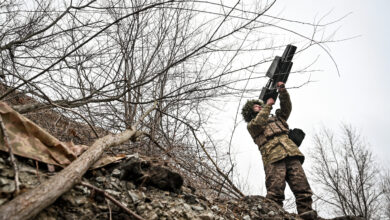
According to The Guardian, Ukrainian forces reported losing connections on drones flying above a stated limit of 160 kilometers (100 miles) per hour, with disruptions occurring at lower speeds.
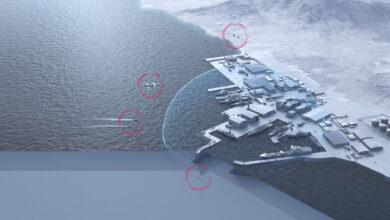
Ukrainian military technology adviser Serhii Beskrestnov said Starlink supports interceptor drones used against Russia’s faster, jet-powered Shahed systems.
Restrictions on those connections could therefore make it harder to stop attacks before they reach populated areas.
The restrictions could also disrupt Ukrainian drone strikes in Russian-occupied parts of Ukraine, where Starlink helps guide the aircraft to their targets.
However, they would have little effect on long-range strikes inside Russia, a Ukrainian soldier told the newspaper, because Starlink was already unavailable there.
Civilian Casualties Rise
Concerns over Starlink restrictions come amid a sharp rise in civilian casualties.
UN High Commissioner for Human Rights Volker Türk said his office verified 15,280 civilians killed or injured in Ukraine during the first eight months of this year, up 55 percent from the same period in 2025.
Russian glide bombs alone killed or injured nearly 2,500 civilians over that period, a 62 percent increase, with attacks affecting the Donetsk, Kharkiv, Sumy, and Zaporizhzhia regions.
Türk also reported increased attacks on energy infrastructure and commercial premises.
Strikes on supermarkets and food businesses had caused temporary shortages in some areas, adding to concerns over electricity and heating supplies.
Civilian casualties inside Russia have also reportedly increased, with the UN receiving reports of 496 civilians killed and 3,394 injured between January and September.