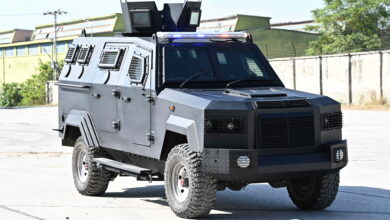
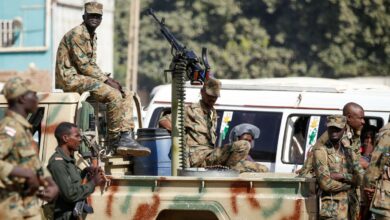
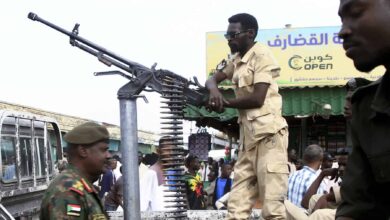
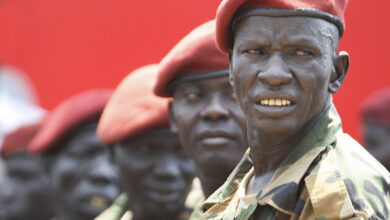
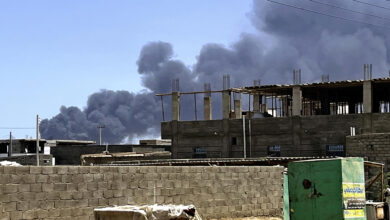
Foreign companies and recruitment networks are supplying Sudan’s warring parties with drones, weapons, training, and military personnel, UN investigators have found.
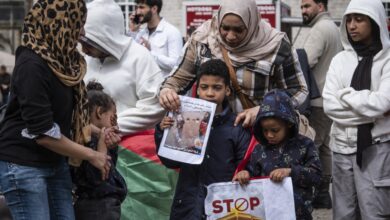
Since the war began in 2023 between the Sudanese army and the paramilitary Rapid Support Forces (RSF), more than 150,000 people have been killed and at least 13.6 million displaced, leaving the country in one of the world’s worst humanitarian crises amid widespread food insecurity.
Transnational networks have helped recruit, train, and deploy foreign personnel in support of the RSF, according to the UN Independent International Fact-Finding Mission for Sudan.
They have also facilitated deliveries of weapons, ammunition, military technology, and logistical supplies.
UN investigators identified private companies, recruiters, and intermediaries operating from or linked to the United Arab Emirates and Colombia.
Chad, southeastern Libya, and the Somali city of Bosaso were allegedly used as transit points.
The UN mission urged countries linked to the supply routes to investigate and dismantle networks operating from their territories.
It also called on the UN Security Council to expand the existing arms embargo beyond Darfur to cover all of Sudan.

Mercenary Network
The UN reported that up to 2,000 former Colombian military personnel were deployed alongside RSF units in Darfur and Kordofan, where they reportedly operated combat drones, artillery, and other advanced weapons.
An AP investigation found that Colombian mercenaries also provided military training to children recruited to fight for the paramilitary force.
According to UN investigators, foreign assistance contributed to RSF operations at the Zamzam displacement camp and during the capture of nearby El-Fasher, the capital of North Darfur.
Serious violations were documented in both locations, including conduct displaying what the UN described as hallmarks of genocide.
Drones Expand the Civilian Toll
External support has expanded both sides’ drone capabilities.
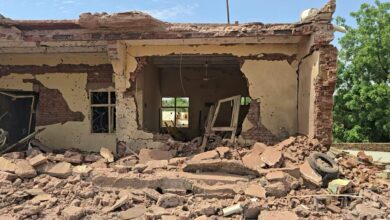
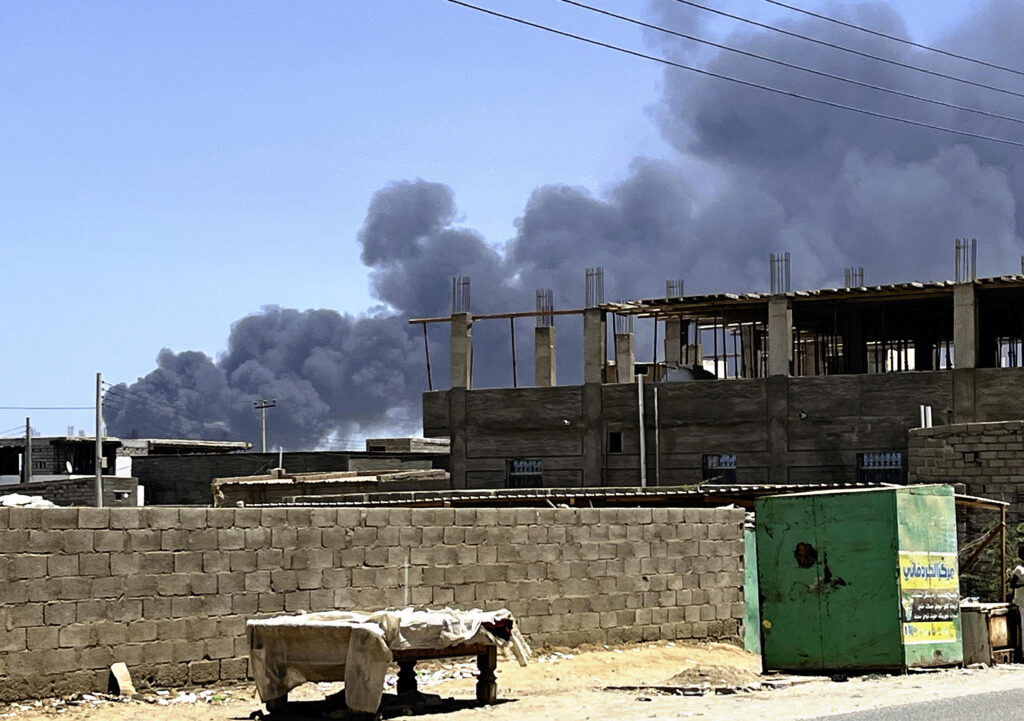
Foreign-supplied drones have been used in operations that harmed civilians and civilian infrastructure.
Targets included homes, hospitals, schools, markets and civilian shelters.
The UN said some of these attacks may constitute war crimes.
According to the report, an RSF drone attack in Kalogi, a town in south-central Sudan’s South Kordofan state, killed 114 people, including 60 children.
In Ad-Da’ein, East Darfur, a strike attributed to the Sudanese army killed at least 70 people and destroyed a major hospital.
Repeated RSF drone attacks also damaged essential infrastructure in El Obeid, the capital of North Kordofan in south-central Sudan, a city already under severe pressure and partial siege.