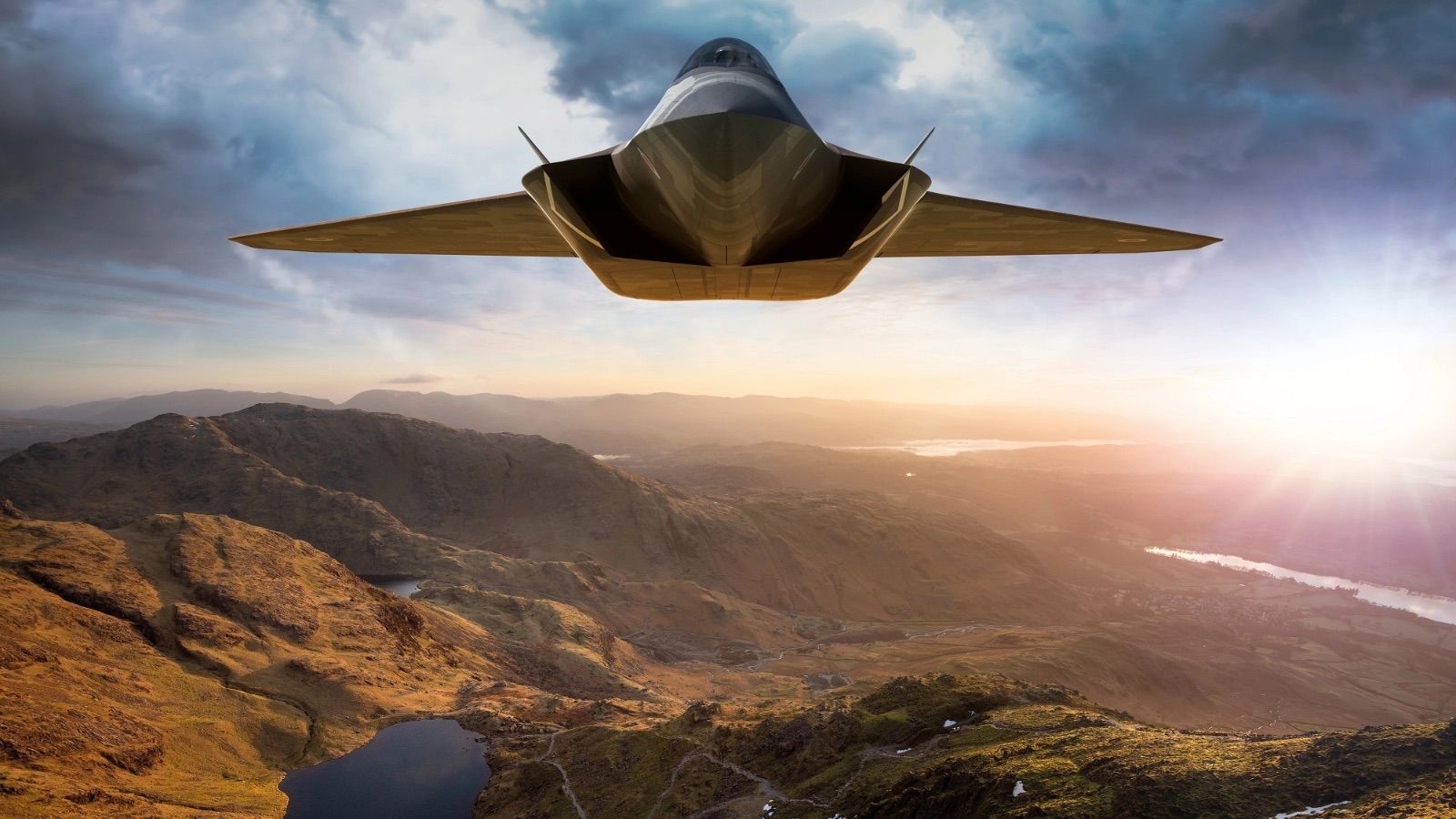

BAE Systems has signed a memorandum of understanding with Canadian business jet manufacturer Bombardier to explore collaboration on next-generation combat air capabilities in Canada.
Under the agreement, both companies will explore cooperation in aircraft and mission system design, systems integration, digital engineering, advanced manufacturing, product support, sustainment, and security.
They will also develop a framework for cooperation aligned with future capability requirements, government priorities, and industrial objectives.
The agreement follows Canada’s entry into the trilateral Global Combat Air Programme (GCAP) as an observer, giving Ottawa “direct insight” into the program, including industrial collaboration and long-term delivery plans.
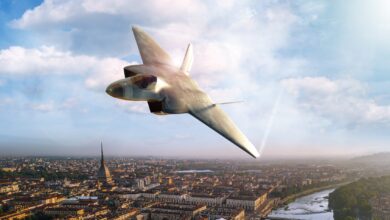
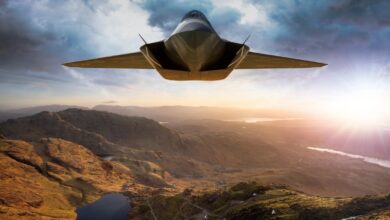
BAE Systems is one of GCAP’s three core industrial partners, alongside Italy’s Leonardo and Japan Aircraft Industrial Enhancement Co. Ltd. The program aims to develop a sixth-generation fighter for the UK, Italy, and Japan.
“Bombardier has a proud history of designing, building and supporting world-class aircraft while advancing aerospace technology,” Bombardier’s executive vice president of engineering, product development, and Bombardier Defense Stephen McCullough said.
“We are well positioned to bring together and develop the talent and expertise needed for programmes that can carry a generational impact on the worldwide defence industry.”
Group managing director of BAE Systems’ Air Sector, Simon Barnes, said the agreement marks an important step in the company’s ambition to strengthen international partnerships supporting the future of combat air.
“We’re excited by the opportunity to collaborate with Bombardier to help deliver the strategic aims of Canada’s Defence Industrial Strategy,” he added.
Global Combat Air Programme
Italy, Japan, and the UK launched GCAP in 2022 to develop a sixth-generation stealth fighter featuring advanced digital engineering and artificial intelligence. The aircraft is targeted to enter service by 2035.
It is intended to replace the Eurofighter Typhoons operated by the Royal Air Force and Italian Air Force, as well as Japan’s aging Mitsubishi F-2 multirole fighters.
Designed as part of a broader “system of systems,” the aircraft is expected to operate alongside crewed and uncrewed platforms across air, land, sea, space, and cyber domains. Its digital architecture is intended to support secure, high-capacity data sharing and AI-assisted decision-making.
Canada’s interest comes as it reviews its F-35 procurement plans and seeks to diversify defense partnerships. Ottawa has said participation in GCAP would complement existing defense initiatives.
The Royal Canadian Air Force received its first two F-35s this month. Canada initially selected 88 aircraft to replace its CF-18 Hornet fleet but is reviewing whether to proceed with the full acquisition after committing to 16 jets.