
The US Navy has awarded prototyping contracts worth $280.5 million to Conrad Shipyard, Master Boat Builders, and Saronic Technologies in support of the LCU 1700-class landing craft program.
The initial funding allocation tasks each Gulf Coast yard with building two or three test vessels while refining manufacturing operations for future high-rate production.
Funded by the One Big Beautiful Bill Act, the initiative leverages federal prototype authorities to expand US shipbuilding capacity, speed up littoral craft deliveries, and build parallel supply lines.
Deliveries under the agreements are scheduled to commence in late 2028 and run through 2029.
“By selecting three distinct shipyards, the Navy is expanding its shipbuilding industrial base capacity and building a resilient ‘second source’ of supply for landing craft,” said William Mahan, performing the duties of Assistant Secretary of the Navy for Research, Development and Acquisition.
“Other Transaction prototype authority allows the Navy to move at the speed of relevance.”
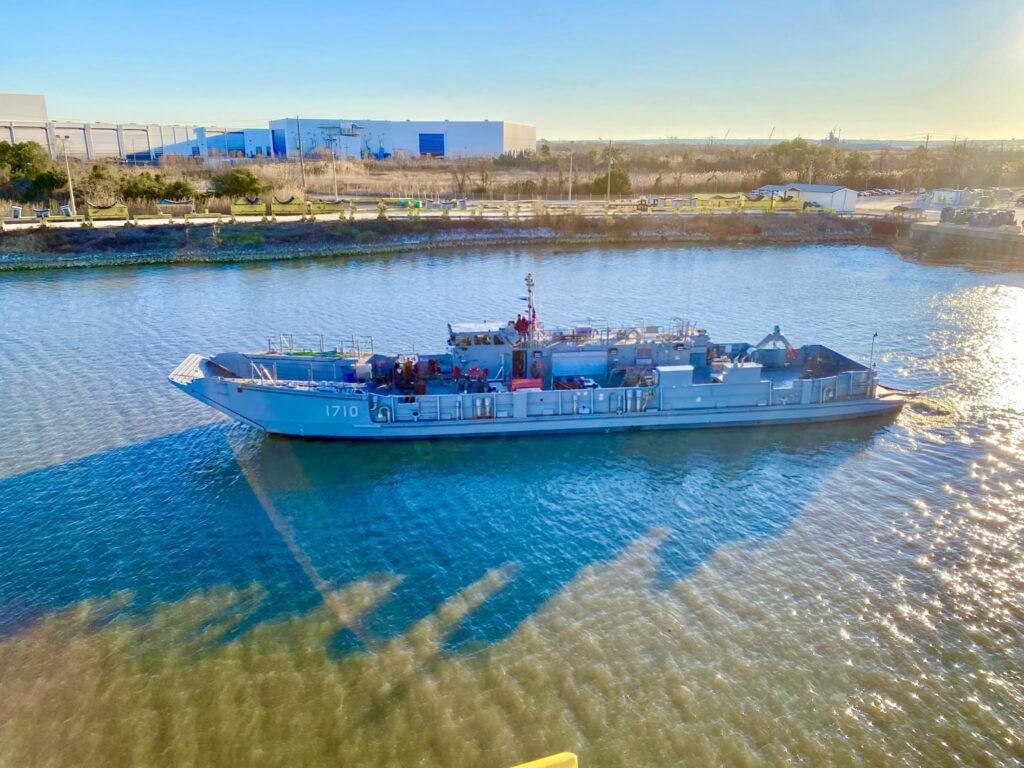
The US Navy’s LCU 1700
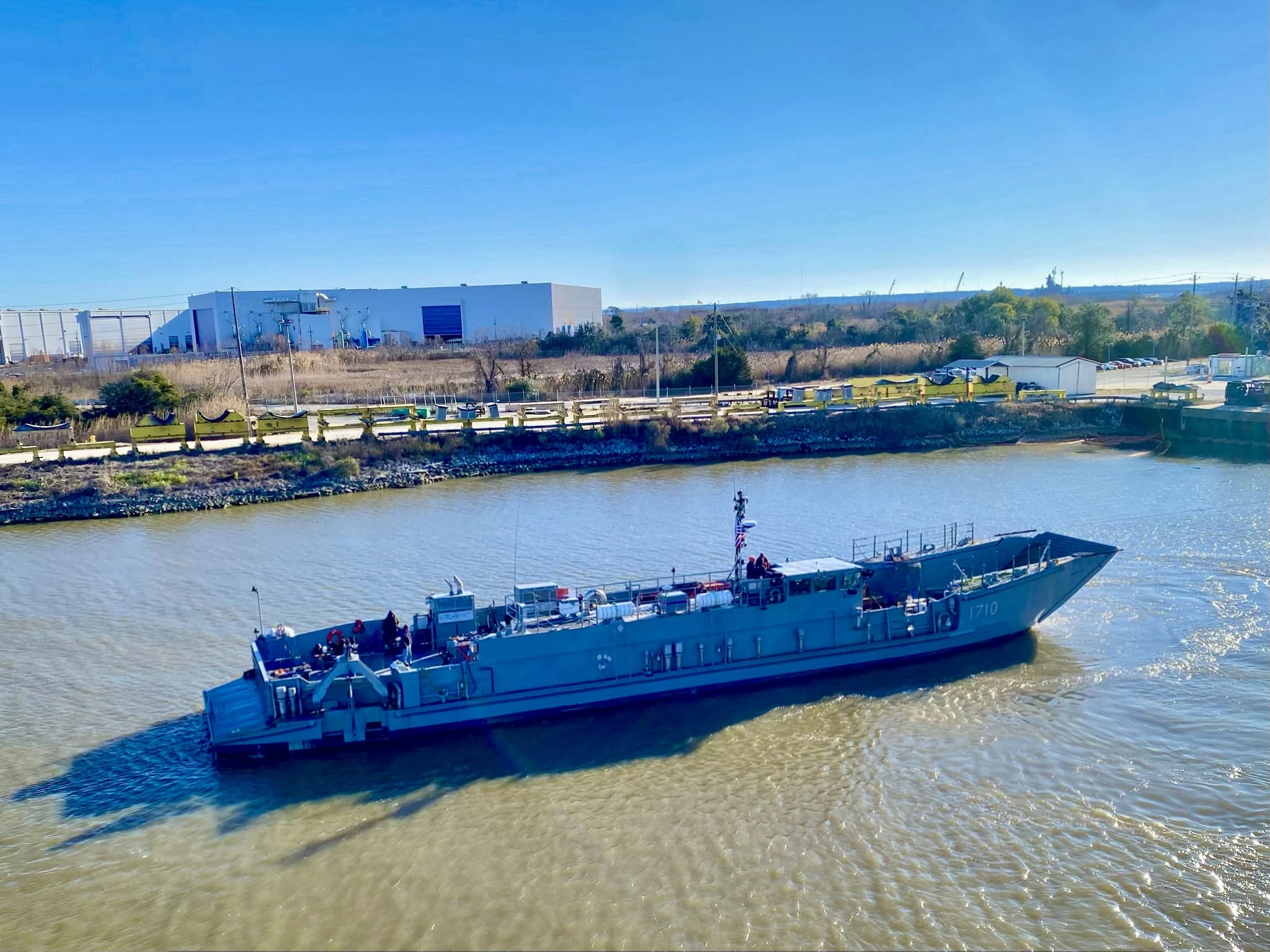
The 139-foot (42-meter) LCU 1700 system replaces the US Navy’s legacy 1466, 1610, and 1627 landing craft platforms inducted since the 1990s.
The modernized boats delivers increased payload capacity, longer operational range, and direct compatibility with current amphibious warships.
Through the system, the military can move up to 150 tons (136,078 kilograms) of cargo, including two M1A1 Abrams main battle tanks or 400 troops.
It travels at 11 knots (13 miles/20 kilometers per hour) and can cover a radius of 1,200 nautical miles (1,380 miles/2,222 kilometers) using two 500-horsepower diesel engines.
LCU 1700 is armed with mounted weapons and is fitted with a communications suite, advanced navigation capability, and a combat system.
Last August, the navy took delivery of its first production vessel, LCU 1710, from Austal USA.