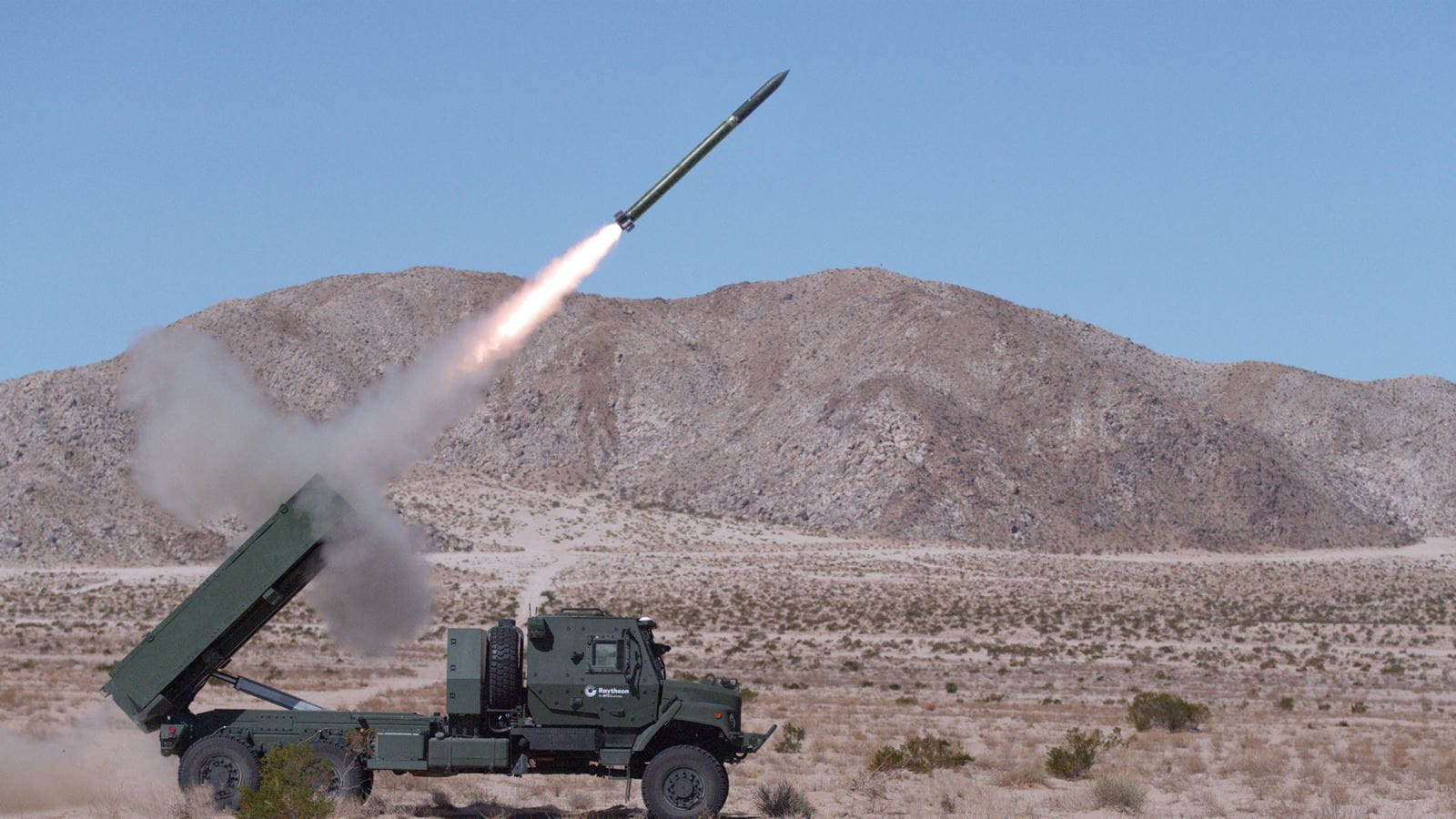

Raytheon has completed the third flight test of its DeepStrike Joint Reduced Range Rocket (JR3), a training munition designed to replace an aging US Army practice rocket used by artillery crews.
During the test at Yuma Proving Ground in Arizona, the company fired multiple JR3 rounds in rapid succession to assess their range, trajectory, accuracy, and marking visibility.
The trial also examined whether the rocket’s launch pod could be recovered, maintained, and reused after firing.
“DeepStrike JR3 meets the performance the army expects from a training rocket while driving down cost and complexity,” said Brian Burton, vice president of Precision Fires & Maneuver at Raytheon.
The program involves several industry partners and government production facilities, including Combined Systems, Corvid Technologies, L3Harris Technologies, Northrop Grumman, and Letterkenny Munitions Center.
Raytheon said the team is preparing for additional flight tests before the rocket undergoes qualification.
Joint Reduced Range Rocket
The JR3 is part of a US Army program to replace the Low-Cost Reduced Range Practice Rocket, a live-fire training round used by crews operating the M142 High Mobility Artillery Rocket System and M270 Multiple Launch Rocket System (MLRS).
Unlike combat rockets, reduced-range practice rounds allow artillery crews to train with live-fire systems without using full-range ammunition. The army uses its existing practice rocket for annual qualification and pre-deployment training.
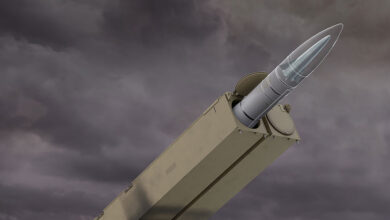
Raytheon’s DeepStrike JR3 uses a 24-rocket pod based on the established MLRS Family of Munitions configuration. The pod is designed to be recovered and reused after firing, potentially lowering training costs.
Lockheed Martin is also developing a JR3 variant and completed its first successful flight test at White Sands Missile Range in September 2025. The test demonstrated the rocket’s range, trajectory, and marking payload, as well as the launch tube’s ability to be reloaded and reused.