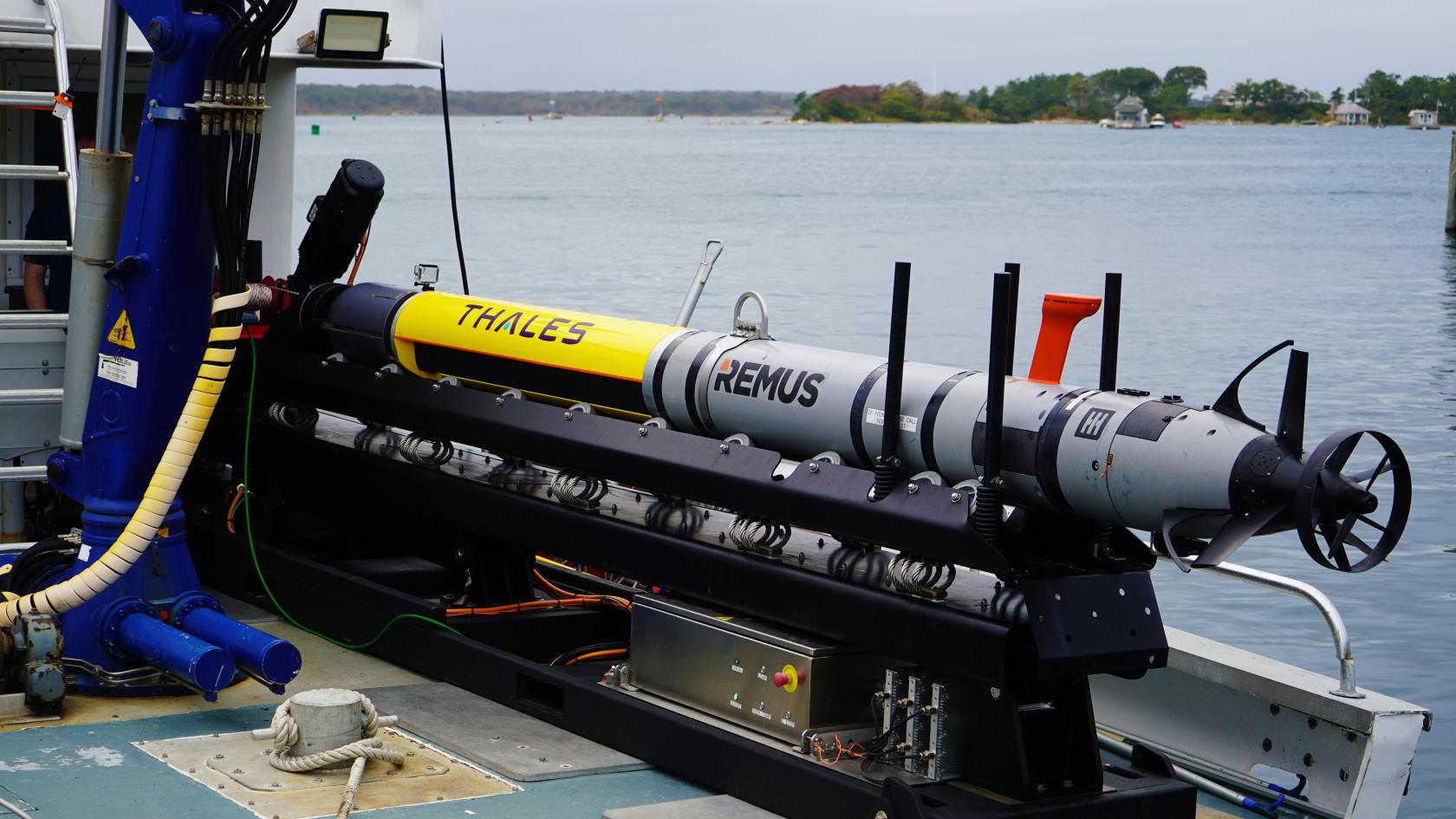

HII and Thales have demonstrated a mine countermeasure system that connects an autonomous underwater search vehicle, AI-assisted sonar analysis, and remotely operated equipment for identifying and neutralizing mines.
The exercise brought these stages into a shared command environment, allowing operators to manage the process from detecting a suspicious object to directing equipment to inspect it and, if required, engage it.
According to the companies, integrating the systems shortened the operational timeline and allowed personnel and crewed platforms to remain farther from potential mines.
From Detection to Identification
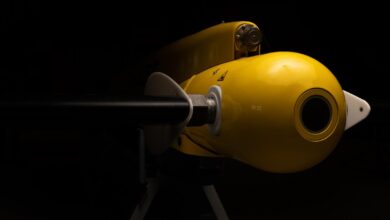
HII’s REMUS 620 uncrewed underwater vehicle conducted the autonomous search using Thales’ SAMDIS 600 sonar, which produces detailed seabed imagery from multiple viewing angles.
Thales’ analysis software then processed the sonar data using AI-assisted automatic target recognition to help operators classify mine-like objects and determine their locations.
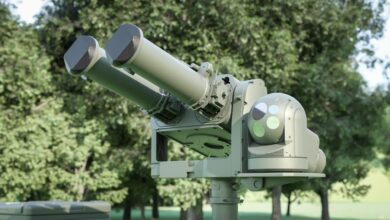
In the final stage, Thales Advanced Acoustic Concepts’ ANGLER system used an underwater effector and a remotely operated vehicle to relocate the objects and visually identify them, enabling engagement and neutralization of a confirmed mine.
Shared Mission Control
The demonstration used Thales’ Expeditionary PathMaster architecture to connect the participating vehicles, sensors, and mine disposal equipment.
A deployable command hub, called the Expeditionary Portable Operation Center, hosted Thales’ mission management and sonar analysis software.
It connected with HII’s Odyssey command software to coordinate the underwater vehicle and give operators a shared view of the mission.
The exercise also included automated launch and recovery of the sonar-equipped REMUS 620 using HII’s Sea Launcher system.