
Lockheed Martin has conducted the first developmental flight test of a communications device designed to let PAC-3 interceptors receive in-flight target data from multiple sensors.
Known as Remote Intercept Guidance 360 (RIG-360), the device is designed to provide 360-degree, in-flight communications, addressing blind spots and allowing the US Army to pair interceptors with the most suitable radar in its Integrated Battle Command System (IBCS) network.
The flight test followed three captive-carry tests by just a few weeks. Lockheed Martin team achieved three major milestones within months, including a critical design review, about a year after receiving the first phase of Engineering and Manufacturing Development funding.
“Our RIG-360 program is critical for PAC-3 operation and in-flight success,” vice president and general manager of Lockheed Martin Integrated Air and Missile Defense Jason Reynolds said.
“Our team has been diligent in ensuring we are delivering for our customer with this crucial program that pairs weapons and sensor systems in today’s modern warfare. RIG-360 is a game changer for PAC-3 moving forward, and we’re moving with urgency to deliver ahead of schedule.”
Remote Intercept Guidance 360
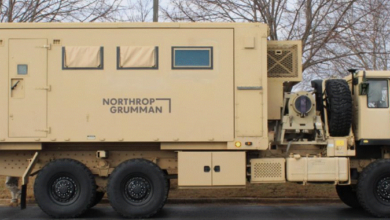
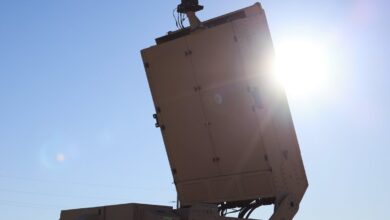
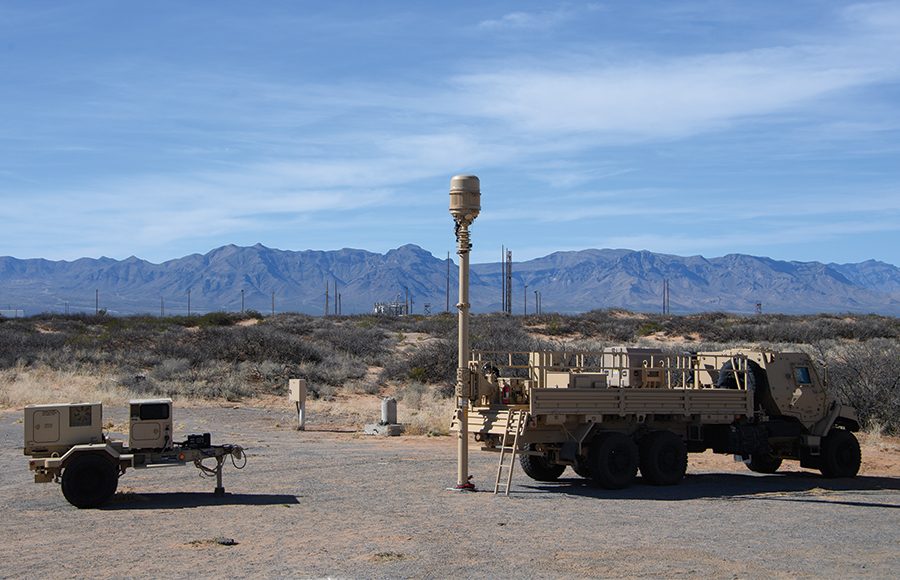
RIG-360 is a software-defined X-band communications system that uses a ground-based antenna to transmit guidance data to an antenna onboard the weapon. It is designed to let IBCS transmit in-flight updates directly to PAC-3 interceptors, reducing reliance on the Patriot radar for the communications link.
The US Army’s IBCS links air and missile defense assets, combining data from multiple sensors into a unified battlefield picture to support threat assessment, fire control, and rapid engagement.
RIG-360 has also been tested with the Guided Multiple Launch Rocket System to improve strikes against moving targets, including ships and mobile missile launchers.