
The US Army said about 97 percent of its soldiers have completed a cognitive assessment that gives medical providers a reference for tracking changes in brain function after blast exposure or injury.
The Neurocognitive Assessment Tool measures memory and reaction times, allowing clinicians to compare later results with a soldier’s baseline following a suspected concussion or traumatic brain injury and help guide treatment.
Testing began in 2024 across the active-duty US Army, Army National Guard, and Army Reserve.
The assessments are part of a broader blast exposure program that the army plans to formalize in a service-wide directive.
It will combine exposure tracking and cognitive monitoring with hazard and risk assessments, measures to reduce exposure, injury reporting, and training.
More Frequent Testing for High-Risk Roles
Soldiers in occupations with greater exposure to blast pressure, including field artillery, combat engineering, and explosive ordnance disposal, face additional testing requirements.
Under a department directive, personnel in those fields must complete the assessment when entering the military, before deployment, and after an injury or suspected concussion.
Moreover, the US Army requires annual assessments for soldiers in high-risk occupations and testing every three years for all soldiers.
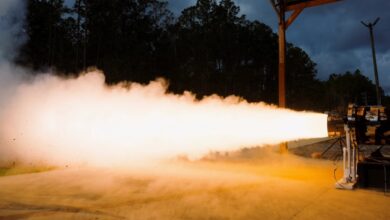
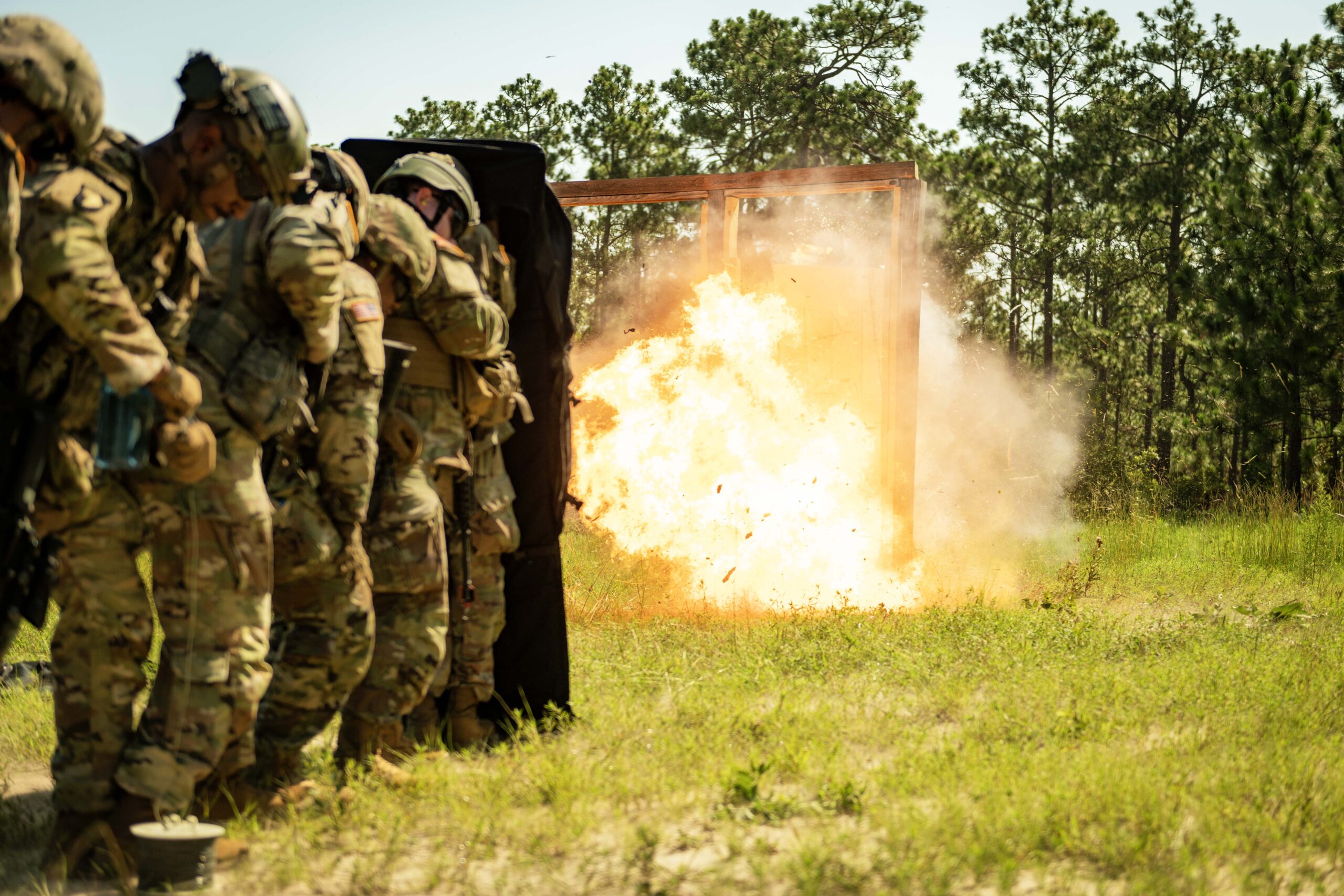
The service has identified blast overpressure, the pressure wave produced by an explosion, and repeated low-level blast exposure as occupational health hazards.
Such exposure can occur when firing heavy weapons, as well as during explosive attacks.
Navy Faces Scrutiny Over Pilot Brain Health
The news follows a House Oversight Committee report that criticized the US Navy for failing to study possible long-term brain injuries linked to repeated carrier takeoffs, landings, and high-G maneuvers.
Reviewed by The New York Times, the report stated that warnings from pilots and medical staff had not led to long-term research, routine monitoring, or expanded brain health care for aircrews.
Current and former pilots reported headaches, memory problems, mood changes, and suicidal thoughts after years of flying.
Some said their symptoms were dismissed as unrelated mental health issues, while others kept quiet for fear of being grounded.