The US Navy failed to investigate whether repeated carrier launches, landings, and high-G maneuvers may cause long-term brain injuries among fighter pilots, according to a House Oversight Committee report reviewed by The New York Times.
Despite warnings from aviators, doctors, and navy personnel, the service did not launch a formal long-term study or introduce systematic monitoring.
It also failed to expand brain health care for aircrews, the newspaper reported.
Naval aviators regularly endure intense physical forces during catapult takeoffs, carrier landings, and sharp turns.
Several current and former pilots have reported headaches, mood changes, memory problems, and suicidal thoughts after years of flying.
Pilots said their symptoms were often dismissed as unrelated mental health problems, while many concealed them out of fear they would be grounded.
According to the newspaper, medical officials maintained there was no evidence of a problem, despite the absence of long-term research.
A civilian neurologist said the navy stopped referring pilots to him after he raised concerns about a possible pattern of brain injuries.
In 2024, The New York Times investigated the cases of three experienced F/A-18 Super Hornet pilots that had died by suicide.
Their families said all three had experienced symptoms consistent with brain injuries.
Brain Health Program
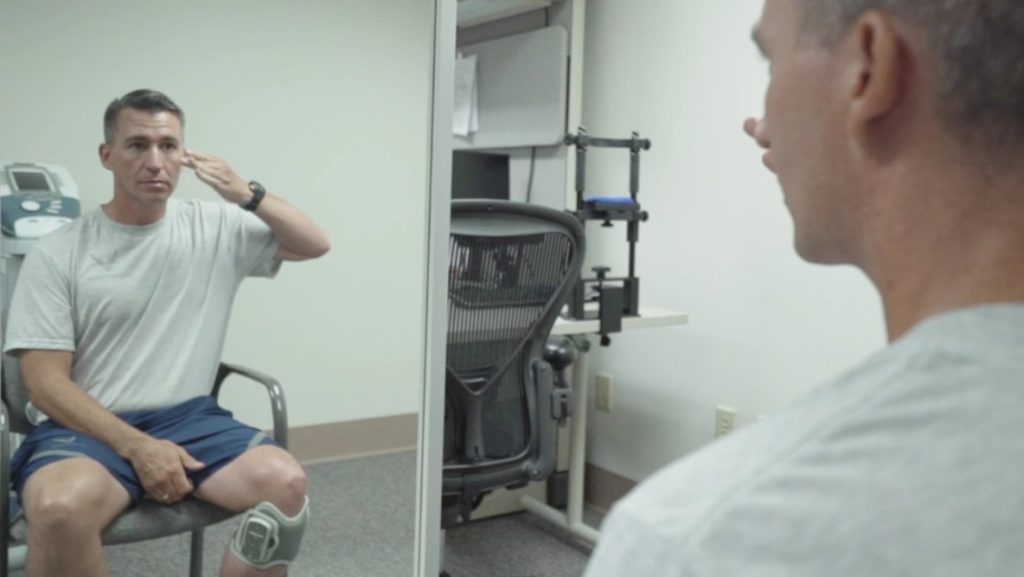
The US Navy Strike Fighter Tactics Instructor program, or TOPGUN, launched Project Odin’s Eye in 2024 to monitor the brain health of its pilots.
However, it did not inform senior navy leaders or warn other fighter wings about the suspected risks.
Navy leadership learned about the program only when the New York Times investigation revealed it in 2024.
Following the investigation, senior officials asked US Navy medical experts whether flying could be causing brain injuries.
According to the House report, the experts argued that no investigation was needed because they found no evidence of such injuries, even though the navy had never conducted the research required to determine whether the problem existed.
Congressional Action Recommended
The committee urged Congress to require the US Defense Department to establish a comprehensive brain health program for military aviators.
Its recommendations include recording exposure to catapult launches and high-G maneuvers in pilots’ medical files, providing frontline neurological care, and studying aviators during and after their military careers.
According to The New York Times, the navy estimated that a long-term study involving 1,000 pilots would cost $3.9 million, roughly the amount required to train one aviator.