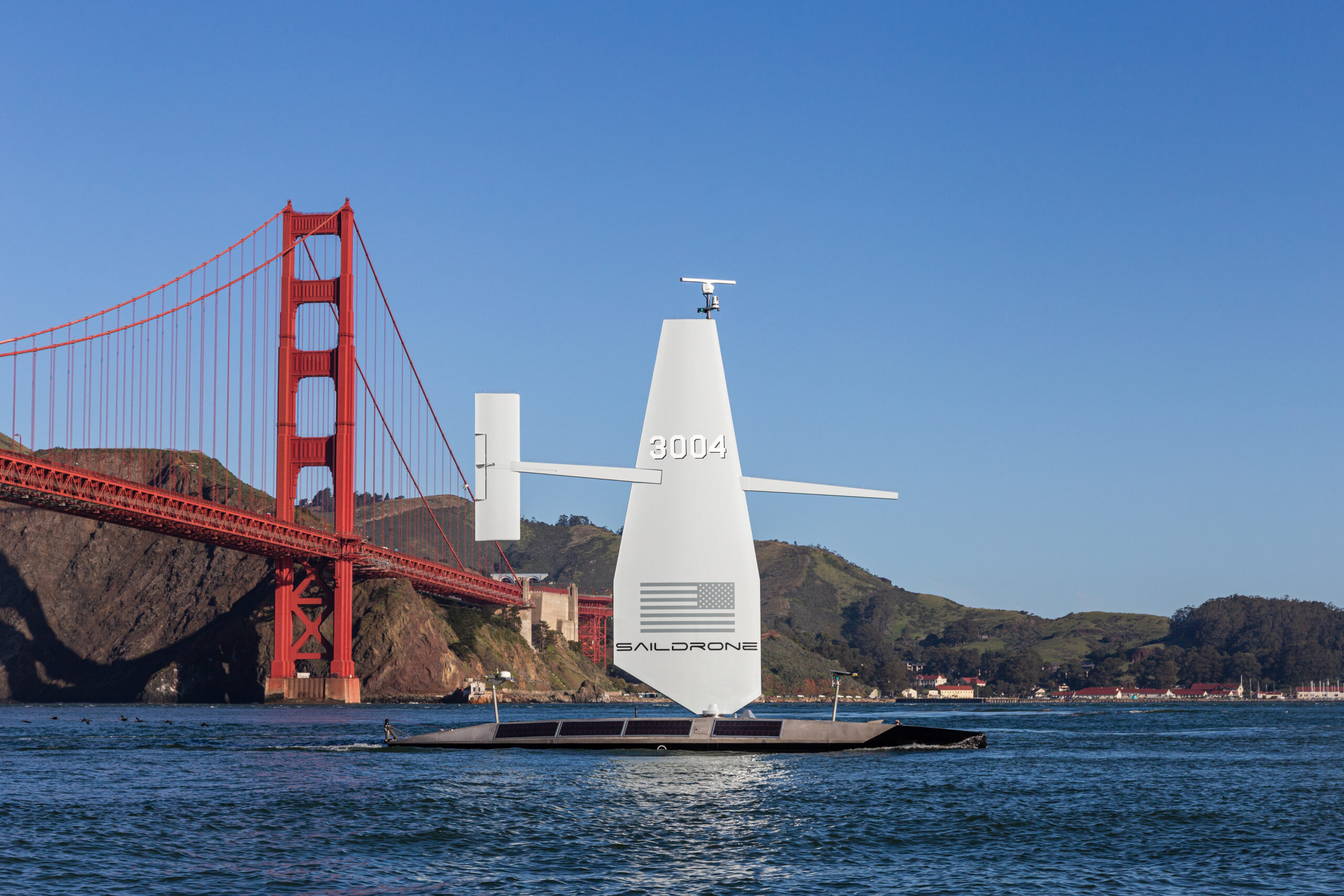
Saildrone to Map Atlantic Ocean Floor for US Navy Under $10M Deal


The US Navy has awarded Saildrone a $10-million contract to facilitate bathymetric ocean floor mapping in the Atlantic Ocean.
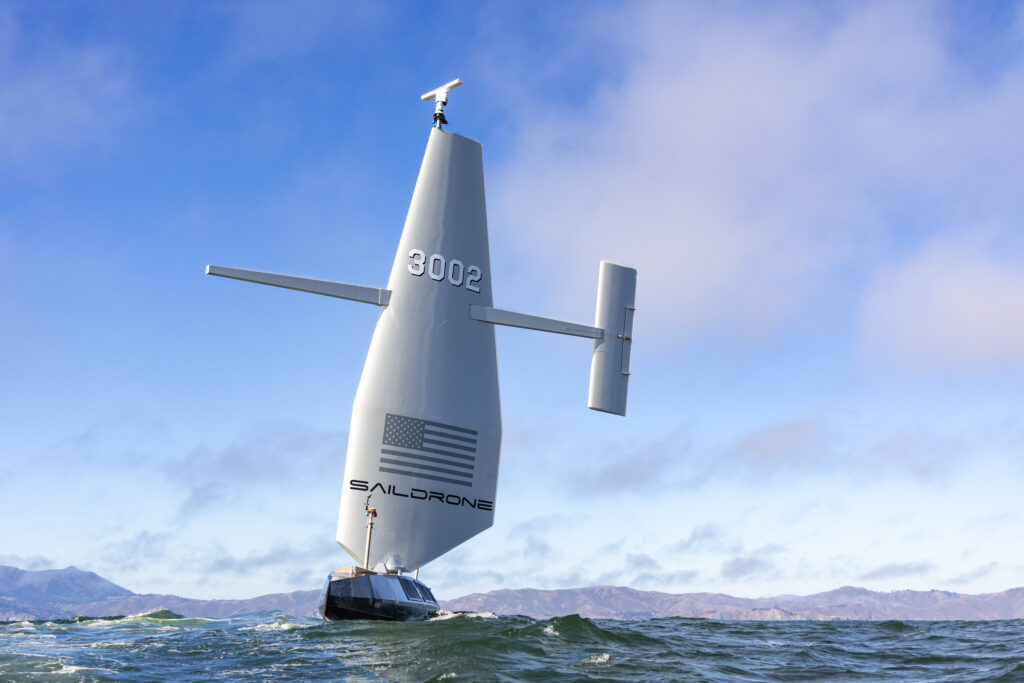
Assigned by the Naval Oceanographic Office, the effort will cover international waters using Saildrone’s proprietary Surveyor unmanned surface vessels (USVs).
The California-based company said that the initiative will add to approximately 28.7 percent of current global ocean mapping.
Seafloor data collected will be used to support future security operations, critical infrastructure defense, rescue missions, and vessel route recalibration.
Work for the project will commence in 2026, with activities running through late 2027.
Throughout the effort, the firm will leverage its experience mapping the ocean floor for the US government, a role it has performed since 2019.
“High-resolution ocean mapping is vital to the US Navy’s maritime superiority and strategic advantage, enabling safe navigation, effective submarine operations, and fleet lethality,” said Kitch Kennedy, senior director of ocean mapping at Saildrone.
“This contract to survey vast regions of the Atlantic Ocean, where traditional survey deployments are long and the conditions are unpredictable, is precisely the type of mission that Saildrone’s autonomous technology was designed to execute.”
Saildrone’s Surveyor
The 15-ton (30,000-pound) Surveyor USV spans 20 meters (66 feet) in length and features wings standing at 13 meters (43 feet) high.
Its hull is built with marine-grade aluminum, while its sailing wing contains carbon fiber and fiberglass composites, maintaining durability across long-endurance research and intelligence, surveillance, and reconnaissance tasks.
The drone boat can be fitted with infrared cameras, transreceivers, an integrated radar suite, machine-learning threat detection, and satellite communications.
The Surveyor is equipped with an 80-horsepower high-efficiency diesel generator specialized for low-wind domains that enables a speed of 6 knots (11 kilometers/7 miles per hour), a range of over 2,500 nautical miles (4,630 kilometers/2,877 miles), and 100 days of endurance.