Canada has launched its first defense hub dedicated to quantum technology, allocating 20.3 million Canadian dollars ($14.5 million) over two years to the initiative.
The Quantum Defence Innovation Secure Hub (DISH) will provide a protected environment in which approved government, academic, and industry partners can develop, test, and validate technologies for the Canadian Armed Forces.
Located in Calgary, Alberta, the hub will be established and operated by a University of Calgary-led consortium selected through a competitive process.
The facility will operate under the Bureau of Research, Engineering and Advanced Leadership in Innovation and Science (BOREALIS), responsible for connecting research and engineering programs with operational military requirements.
BOREALIS’ role is to reduce the gap between early-stage research and deployable capability.
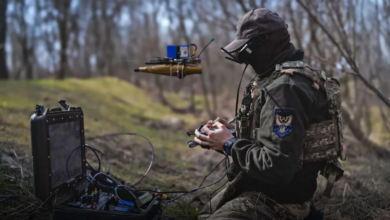
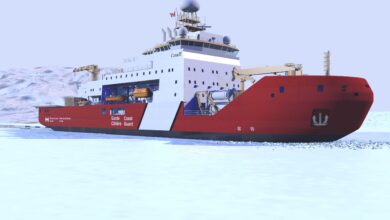
The Quantum DISH joins two other secure-hub initiatives focused on maritime technologies and uncrewed systems.
Quantum technology is also listed as a domestic capability priority in Ottawa’s Defence Industrial Strategy, which seeks to retain greater control over strategically important defense technologies.

Boosting Quantum Capabilities
Research will focus on quantum sensing, quantum communications, quantum algorithms, and quantum hardware assurance.
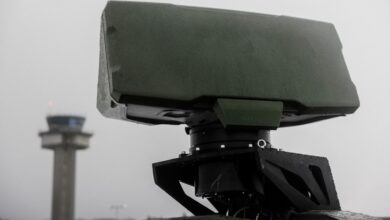
One priority will be navigation and timing systems that can operate without continuous access to the Global Navigation Satellite System.
According to the Canadian government, such technologies could help military units continue operating when satellite signals are jammed, unavailable, or spoofed.
Other planned work includes sensors capable of detecting spoofed navigation signals, quantum-secure communications, more precise timing technologies, and algorithms for processing information and supporting operational decisions.
The hardware-assurance component will assess whether quantum devices perform reliably and securely under real-world conditions.