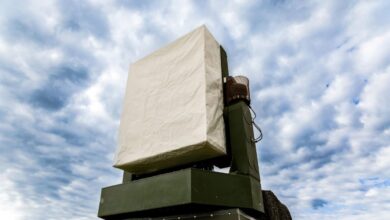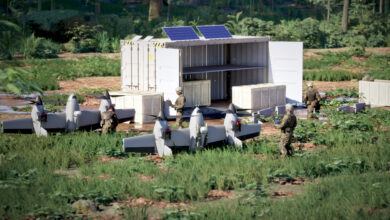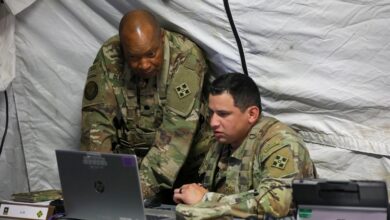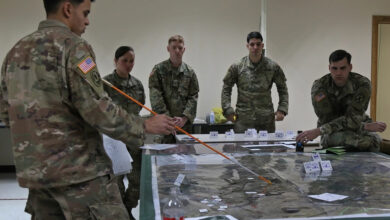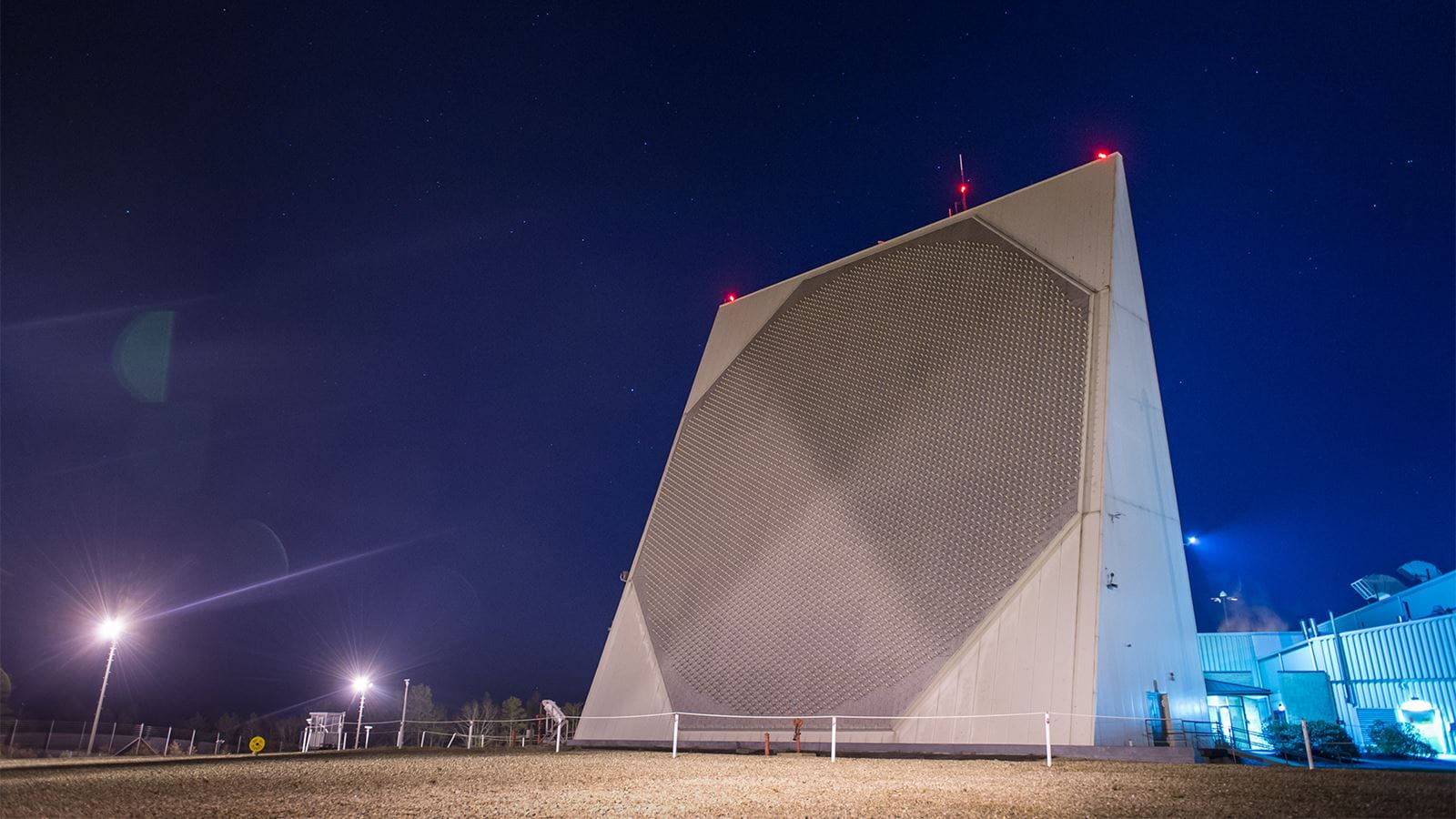

Raytheon will digitize the US Space Force’s long-serving early warning radars to improve their reliability, speed up future upgrades, and strengthen missile detection.
The work falls under the Ground-Based Radar Digitization (GBRD) program, which aims to modernize radar sites that form part of the US missile defense network.
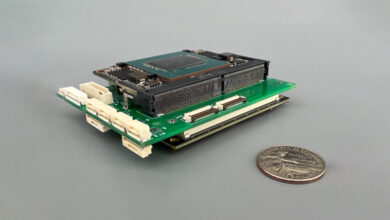
The upgrades will replace or modernize existing digital systems and establish a common, open architecture for future improvements. Raytheon said the approach is intended to make systems easier to maintain, reduce dependence on individual vendors, and speed up the introduction of new capabilities.
The program will begin with prototype solutions before moving to broader fielding at the remaining locations. The radars provide early warning of missile launches, help characterize detected objects, and track activity in space.
“Digitizing these radar systems is essential to staying ahead of increasingly complex global threats,” Sam Deneke, president of Air & Space Defense Systems at Raytheon, said.
US Invests in Newer Missile Warning Radars
The GBRD effort is part of a wider US push to update the ground sensors that support missile warning and defense. Older radar systems must continue operating while the military adds newer sensors designed to track and distinguish increasingly complex threats.
One major effort is the Upgraded Early Warning Radar program. The US Space Force operates these radars to detect ballistic missile attacks and track objects in space. Previous upgrades modernized much of their radar and computer hardware and rewrote their software to improve tracking and provide data for missile defense systems.
The US is also bringing newer radar technology into service. In December 2025, the service accepted the Long Range Discrimination Radar in Alaska for operational use in its missile warning and tracking mission.
Another system, Space Fence, focuses on monitoring objects in orbit rather than warning of incoming missile attacks. Located on Kwajalein Atoll in the Marshall Islands, the radar became operational in 2020 and helps the military detect and track satellites and debris across low Earth orbit.