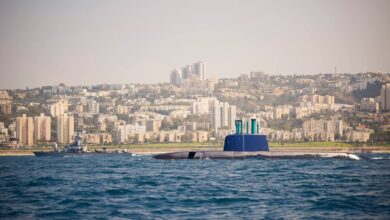
Spanish shipbuilder Navantia has completed tests of the air-independent propulsion (AIP) system installed in a section of the Cosme García (S-83), the third submarine in Spain’s four-vessel S-80 program.
The tests took place at Navantia’s Cartagena shipyard, where the 12-meter (39-foot), 400-metric-ton (441-ton) section remains separate from the rest of the submarine.
Since June, engineers have tested the system in its intended onboard position, using a facility that simulates operating conditions, including depth and speed.
Navantia said the trials showed the system could generate electricity to recharge the submarine’s batteries while submerged.
Further acceptance trials are planned after the S-83 is launched.
The S-83 is the first S-80 submarine planned to enter service with AIP installed.
Spain’s first S-80 submarine, Isaac Peral (S-81), is already in service.
The second, Narciso Monturiol (S-82), is undergoing trials.
How AIP Works
AIP allows a conventional submarine to produce electricity underwater without running its diesel engines.
The S-83 system uses bioethanol and liquid oxygen to produce hydrogen as needed.
A fuel cell then uses that hydrogen to generate power.
Producing hydrogen onboard avoids the need to carry it in storage tanks.
AIP “will enable S-80 submarines to remain submerged for weeks at a time, compared with the typical endurance of only a few days for conventional submarines equipped solely with lead-acid batteries,” stated Navantia.
According to the company, a conventional diesel-electric submarine must eventually rise close enough to the surface to run its engines and recharge its batteries, increasing its risk of detection.