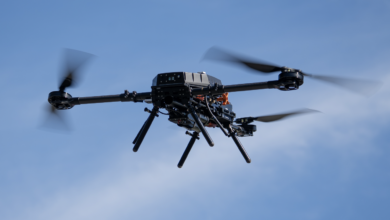
Australian engineering firm Hydrix has signed a binding contract with NIOA Group to support the development of a counter-uncrewed aerial system (UAS) payload intended for small drone applications.
Valued at up to 1.2 million Australian dollars ($854,000), the contract covers the design, development, and systems integration of a telemetry-enabled payload package for small UAS.
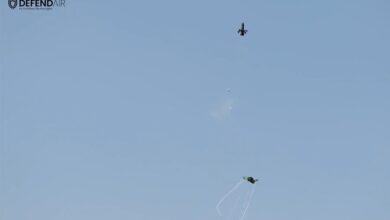
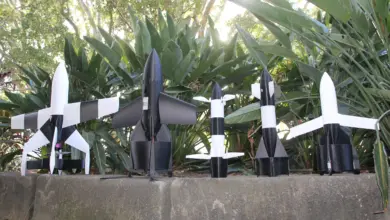
The system combines an inert proximity fuze with a kinetic effector designed for counter-drone missions.
NIOA is contributing expertise in munitions and energetics manufacturing, while Hydrix will provide embedded electronics, software engineering, and integration support for the subsystem.
Rather than a conventional ground-based air defense system, the effort focuses on an airborne counter-drone interceptor payload.
The program is scheduled to accelerate this month, with a demonstration milestone targeted for December, followed by design refinement through the first quarter of 2027.
Growing Counter-Drone Push
The agreement comes as Australia increases focus on counter-drone capabilities, reflecting the growing operational impact of small uncrewed systems in recent conflicts.
As part of the current National Defence Strategy, Canberra’s 425-billion Australian dollar ($303 billion) Integrated Investment Program allocates up to 7 billion Australian dollars ($5 billion) to counter-UAS capabilities.
This shift mirrors a wider global trend to strengthen defenses against low-cost aerial threats and asymmetric attack methods.
Counter-UAS has become one of the fastest-expanding segments in the defense sector, with the market estimated at $6.6 billion last year and projected to reach $20.3 billion by 2030, according to data cited by Hydrix.